Avoid the Common Mistakes When Choosing Paint

Avoid the Common Mistakes When Choosing Paint
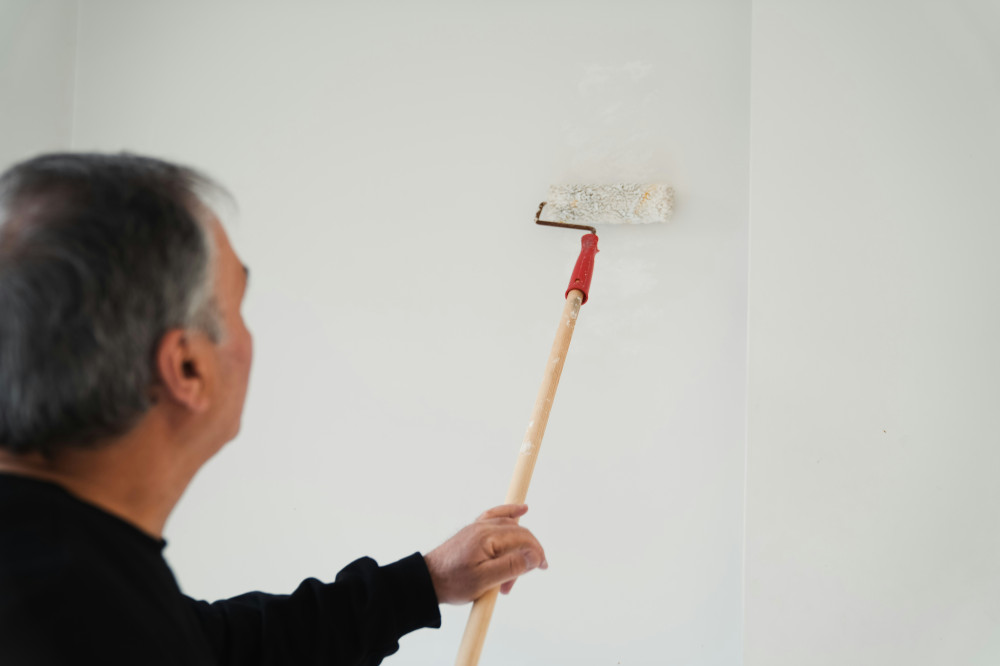
Painting your home can seem like a simple weekend project – but the type of paint you choose has a big impact on both the look and the durability of the result. The colour, finish, and formulation all need to suit the surface, the room’s purpose, and the local climate. Many people make the same mistakes when they pick paint based on colour swatches alone. Here’s how to avoid the most common pitfalls and achieve a professional, long-lasting finish.
1. Ignoring the surface you’re painting
One of the biggest mistakes is choosing paint without considering what you’re painting on. Timber, plasterboard, concrete, and previously painted surfaces all require different types of paint and preparation. Using the wrong product can lead to peeling, uneven coverage, or discolouration.
- For walls and ceilings, water-based acrylic paints are usually best.
- For trims, doors, and skirting boards, a tougher enamel or semi-gloss finish works well.
- For bathrooms, kitchens, and laundries, choose a moisture-resistant paint that can handle steam and frequent cleaning.
Always check the manufacturer’s recommendations and make sure the surface is clean, dry, and properly primed before you start.
2. Overlooking the importance of sheen
The sheen level – how shiny or matte the paint is – affects both appearance and maintenance. Many people focus only on colour, but sheen plays a big role in how the paint performs.
- Flat or matte finishes give a soft, elegant look but are harder to clean.
- Low-sheen or satin finishes are ideal for living areas and bedrooms.
- Semi-gloss and gloss finishes are durable and easy to wipe down, perfect for kitchens, hallways, and children’s rooms.
A good rule of thumb: the higher the sheen, the more durable the surface – but also the more it reflects light. Think about both practicality and style before deciding.
3. Skipping the prep work
Even the best paint can’t hide poor preparation. Rushing through cleaning, sanding, or priming often leads to disappointing results. Dust, grease, and uneven surfaces prevent paint from adhering properly.
Always start by washing the surface with sugar soap or a mild cleaner, filling any holes, and sanding lightly. Use a primer if you’re painting new plasterboard, bare timber, or covering dark colours. Proper prep saves time and paint in the long run.
4. Choosing colour without testing it at home
Colours can look completely different in your home compared to the store. Natural light, artificial lighting, and surrounding colours all influence how a shade appears. A colour that looks warm in the shop might appear cool or dull on your wall.
Buy small test pots and paint sample patches on the wall. Observe them at different times of day and under various lighting conditions before making your final choice. It’s a small step that can prevent a big mistake.
5. Going for the cheapest option
Budget paint can be tempting, but it often requires more coats and doesn’t last as long. Quality paints contain better pigments and binders, giving richer colour and better coverage.
Ask for advice at your local paint store about which quality level suits your project. Spending a little more upfront can save you time, effort, and money later.
6. Forgetting about the environment and indoor air quality
In New Zealand’s well-insulated homes, air quality matters. Choose low-VOC (volatile organic compound) or eco-certified paints to reduce odours and chemical emissions. These are safer for your family and better for the environment.
Even with low-VOC paints, keep windows open while painting and drying. Good ventilation helps the paint cure properly and keeps your indoor air fresh.
7. Rushing – or waiting too long – between coats
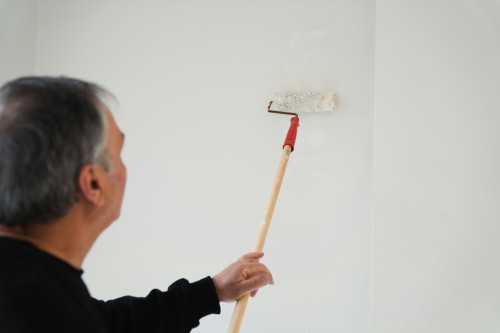
Patience is key to a smooth, even finish. Painting too quickly can cause streaks and roller marks, while waiting too long between coats can make the surface too hard for the next layer to bond.
Follow the drying times on the paint tin and use quality brushes and rollers suited to your surface. The right tools make the job easier and the result more professional.
Læs også:

A beautiful finish takes planning
Choosing paint isn’t just about picking a colour – it’s about understanding materials, preparation, and the conditions your home faces. With a bit of planning and the right products, you can avoid the common mistakes and enjoy a finish that looks great and lasts for years, no matter where in New Zealand you live.
Læs også: