Joints and Seals: The Key to Durable Waterproofing

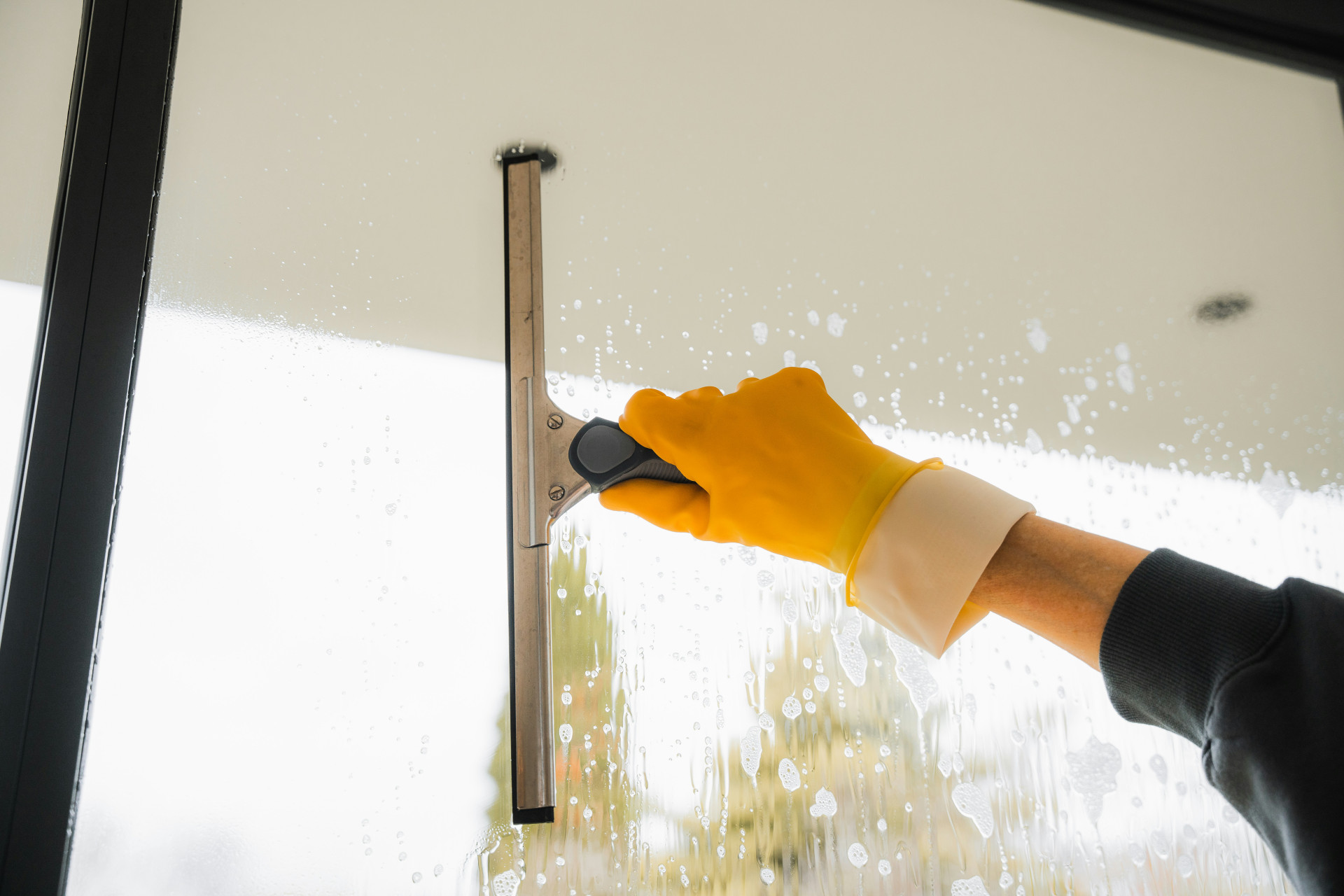
Joints and Seals: The Key to Durable Waterproofing
When it comes to protecting buildings from moisture, it’s often the smallest details that make the biggest difference. Joints and seals are among the most critical elements in any construction project – whether it’s a bathroom, a roof, or a cladding system. They act as the building’s invisible defence against water, wind, and temperature changes. But for them to perform effectively, they require both proper installation and regular maintenance.
Why Joints and Seals Matter
Joints form the transition between different materials – for example, between concrete panels and window frames, or between tiles and flooring. These transitions are natural weak points where water can easily penetrate if not properly sealed. A leaking joint can quickly lead to damage such as staining, mould growth, corrosion, or even structural decay.
That’s why joints and seals are not just aesthetic details but technical necessities. They must be able to move with the building, absorb stress, and remain watertight – year after year.
Choosing the Right Sealant
There are many types of sealants available, and the right choice depends on where and how they will be used. The most common types include:
- Silicone sealants – flexible and waterproof, ideal for bathrooms, kitchens, and other wet areas.
- Acrylic sealants – suitable for interior use where there is limited moisture exposure.
- Polyurethane (PU) sealants – strong and elastic, often used outdoors on facades and concrete joints.
- MS polymer sealants – a newer generation combining high elasticity, strong adhesion, and environmental friendliness.
It’s important to select a material that matches both the substrate and the expected movement of the joint. A sealant that’s too rigid may crack, while one that’s too soft may lose its seal.
Proper Application – How to Get It Right
Even the best sealant can fail if it’s not applied correctly. Here are some key principles:
- Clean and dry the surface – remove dust, grease, and old sealant to ensure proper adhesion.
- Use a backing rod – a round foam profile placed in the joint to control the depth and shape of the sealant.
- Apply evenly – use a caulking gun and smooth the surface with a spatula or finishing tool for a neat, watertight result.
- Allow proper curing time – let the sealant dry for the recommended period before exposing it to water or stress.
A well-executed joint should have a smooth surface, strong adhesion, and the flexibility to move without detaching from the substrate.
Maintenance and Replacement
Sealants have a limited lifespan. Sunlight, temperature fluctuations, cleaning agents, and building movement all contribute to wear over time. Regular inspection is essential – especially in wet areas and on exterior facades.
Signs that a sealant needs replacement include:
- Cracks or splits
- Discolouration or mould
- Detachment from the surface
- Noticeable dampness or dark patches around the joint
Replacing worn sealants is an investment in the building’s health. It may seem like a small task, but it significantly extends the life of both materials and structures.
Joints in Larger Constructions
In larger buildings – such as concrete facades, roofs, or flooring systems – joints play an even more crucial role. They must accommodate movement caused by temperature changes, wind loads, and structural settlement. Specialised joint systems with elastic profiles are often used, allowing expansion and contraction without losing watertightness.
These joints require careful planning from the design stage. A poorly dimensioned joint can lead to cracking, water ingress, and costly repairs.
Læs også:

A Small Detail with a Big Impact
Joints and seals may not be the most visible part of a building, but they are vital to its durability. A properly installed and maintained seal protects against moisture, improves indoor comfort, and extends the lifespan of materials and structures.
Whether you’re building new or maintaining existing structures, it’s worth giving these details the attention they deserve. In the end, it’s often the smallest joints that hold everything together – and keep the water out.
Læs også: