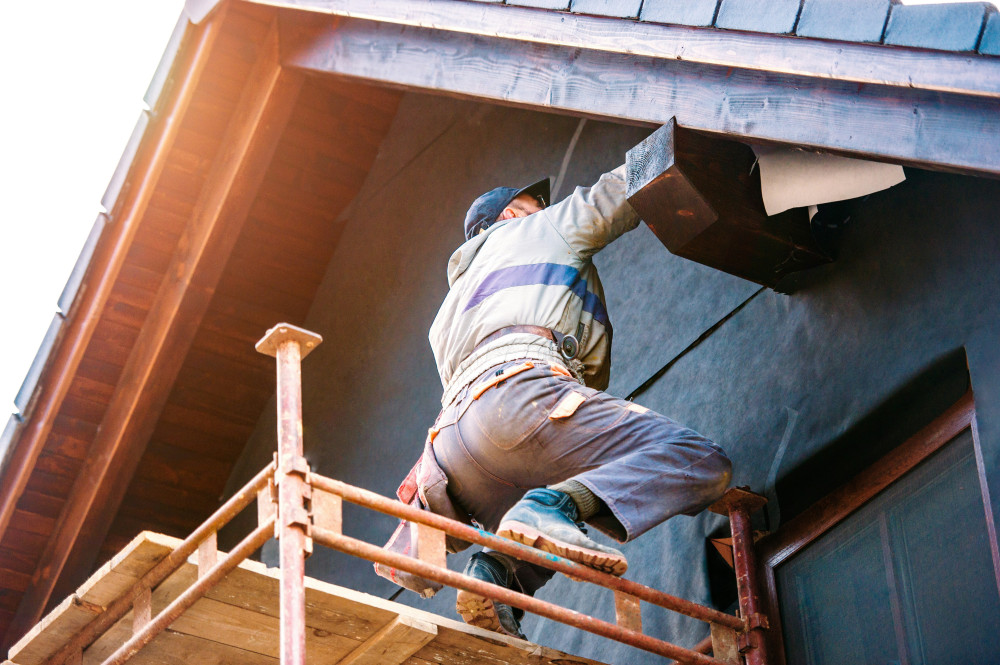
Create a long-term roof maintenance plan

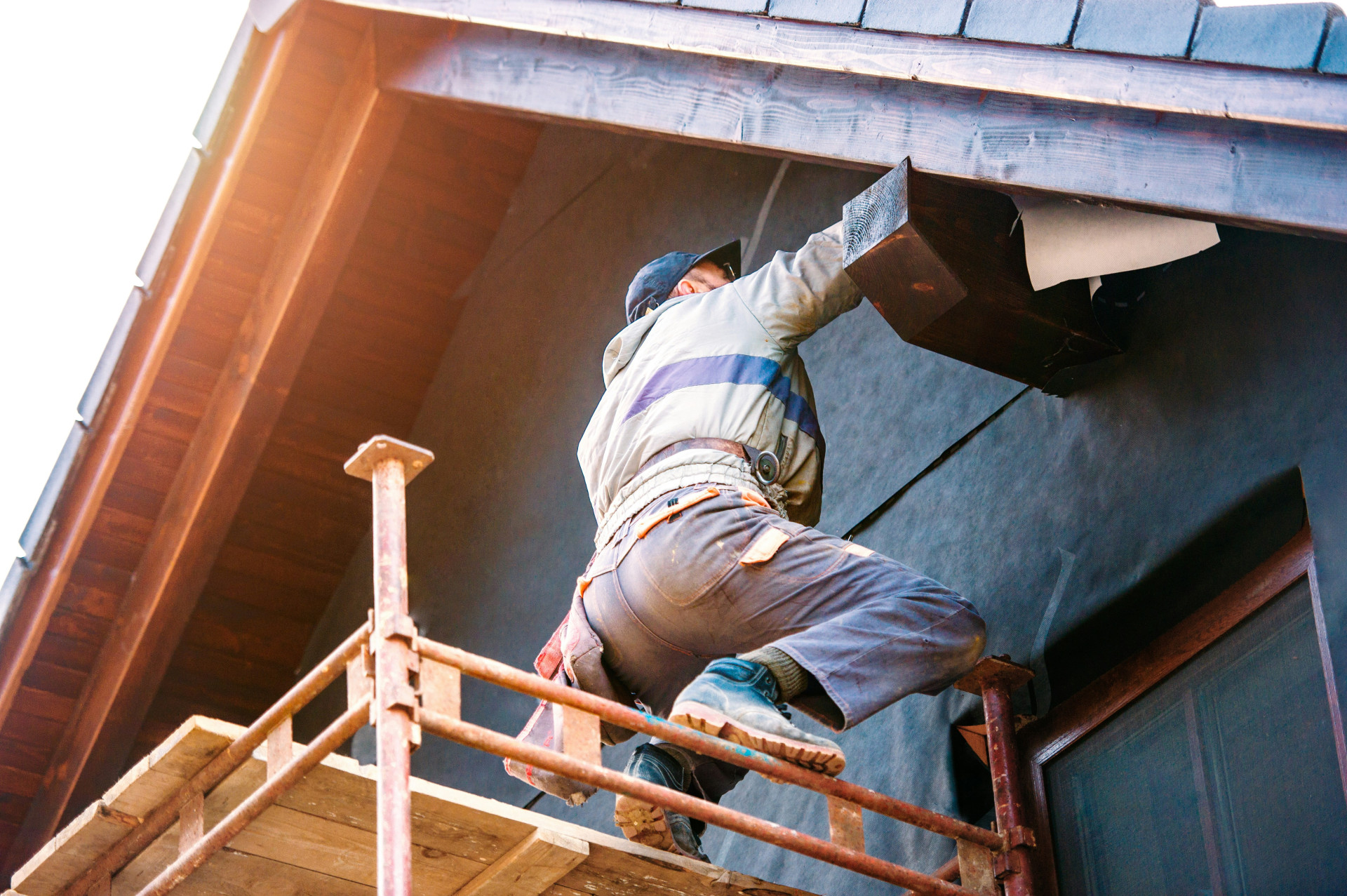
Create a long-term roof maintenance plan
Your roof is one of the most important parts of your home – and one of the most exposed. In New Zealand, roofs face everything from strong UV radiation and heavy rain to salt-laden coastal winds and the occasional hailstorm. Over time, these conditions wear down materials, and even small issues can turn into costly repairs if left unchecked. That’s why it pays to create a long-term roof maintenance plan. With a structured approach, you can extend your roof’s lifespan, protect your home’s value, and avoid unpleasant surprises.
Why a plan makes a difference
Many homeowners only act when they notice a leak or a missing tile. But prevention is far cheaper than repair. A long-term maintenance plan helps you keep track of when inspections, cleaning, and minor repairs should be done. This way, you can catch early signs of damage before they become serious.
A plan also gives you peace of mind. You’ll know when to set aside time and money for maintenance, and you can schedule larger tasks – such as repainting or replacing gutters – well in advance.
Start with a thorough inspection
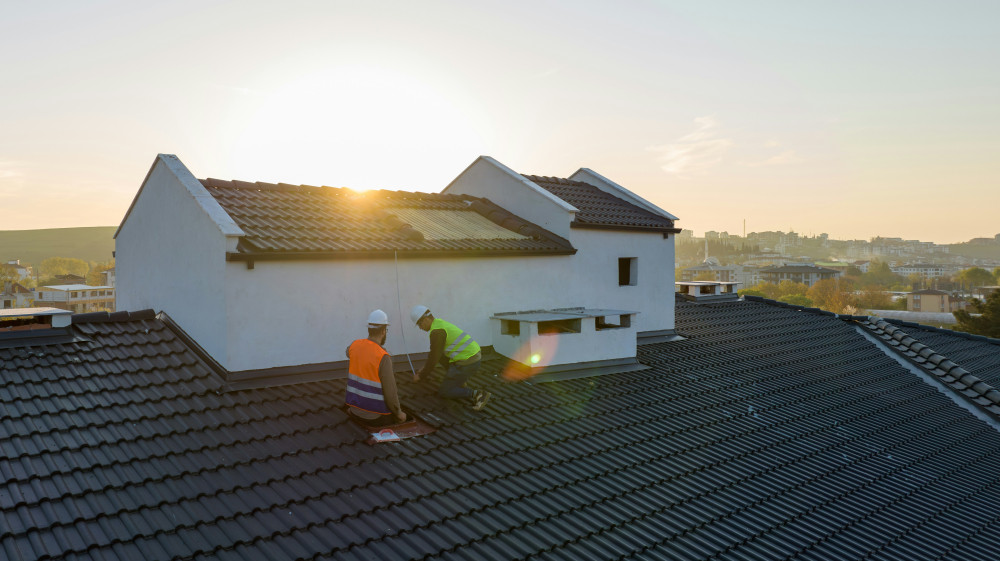
Before you can plan, you need to know the current condition of your roof. You can do a basic check yourself or hire a qualified roofer to carry out a professional inspection. Look for:
- Cracked or displaced tiles, sheets, or shingles.
- Moss, lichen, or mould growth, which can trap moisture and damage surfaces.
- Leaky flashings around chimneys, skylights, and vents.
- Blocked or corroded gutters and downpipes, which can cause water to back up into the roof space.
- Signs of dampness in the ceiling or roof cavity.
Once you have a clear picture of your roof’s condition, you can decide which tasks need immediate attention and which can be scheduled over the coming years.
Plan maintenance year by year
A long-term plan can be divided into regular routines and periodic tasks. Here’s an example of how to structure it:
Every year
- Autumn and spring: Inspect the roof visually. Remove leaves, branches, and debris from gutters and downpipes. Check for loose tiles, screws, or nails.
- After major storms: Look for damage, especially if you have lightweight roofing materials such as metal or asphalt shingles.
- Clean off moss and lichen: Use appropriate cleaning products or hire a professional to ensure water can drain freely.
Every 3–5 years
- Check flashings and sealants: These are exposed to temperature changes and UV light and can deteriorate over time.
- Repaint or recoat surfaces: Particularly important for metal or concrete roofs, where a fresh coating can significantly extend the lifespan.
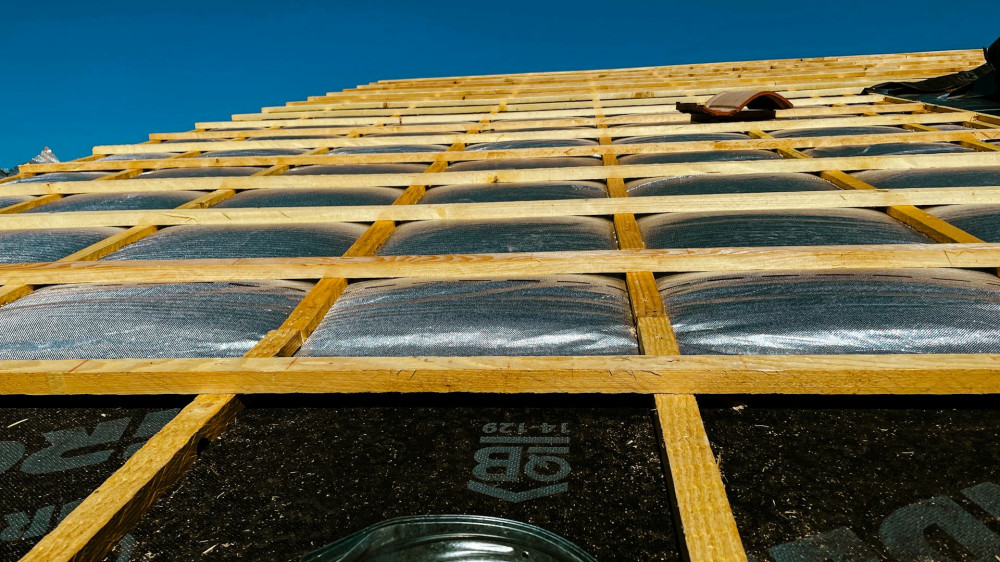
- Inspect insulation and ventilation: A well-ventilated roof cavity helps prevent condensation and mould.
Every 10–15 years
- Professional inspection: Have a roofing specialist assess whether the roof remains watertight and if any major repairs are needed.
- Replace gutters and downpipes: These components wear out over time, especially in coastal or high-rainfall areas.
Adapt the plan to your roof type
Not all roofs require the same care. The materials used and the local climate both play a big role. For example:
- Concrete or clay tiles: Check for cracked tiles and ensure ridge caps and mortar joints are intact.
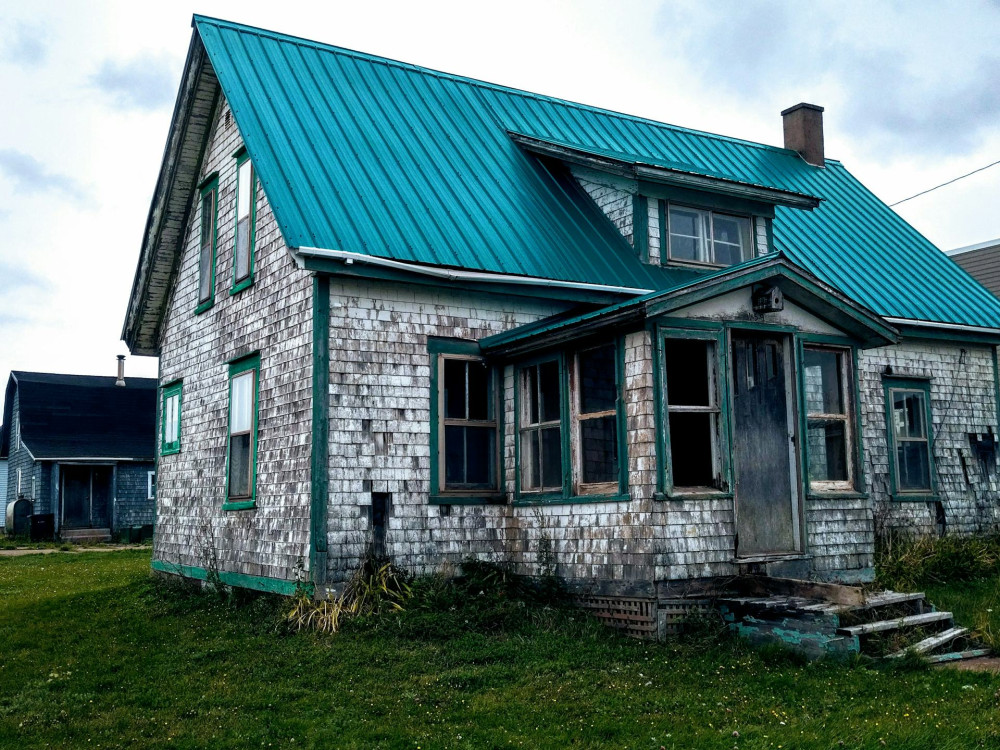
- Metal roofing (Colorsteel, zinc, or aluminium): Inspect for rust, loose fasteners, and peeling paint, especially near the coast.
- Asphalt shingles: Look for curling, missing granules, or lifted edges.
- Membrane or flat roofs: Keep drains clear and check for blisters or punctures.
If you live in a coastal region or an area with high rainfall, you may need to inspect and clean more frequently due to salt and moisture exposure.
Læs også:
Record and adjust as you go
A good plan is flexible. Keep notes of when you’ve completed maintenance tasks and what you observed. Take photos to track changes over time. If you notice that certain areas wear faster than expected, adjust your plan accordingly.
It’s also wise to keep receipts, inspection reports, and warranties in one place. This documentation not only helps you stay organised but can also add value when selling your home, showing that the roof has been well maintained.
An investment in your home’s future
Creating a long-term roof maintenance plan isn’t just about preventing leaks – it’s an investment in your home’s future. A well-cared-for roof protects the entire structure, improves energy efficiency, and enhances your property’s appearance.
With a planned approach, you can spread costs over time, avoid emergency repairs, and ensure your roof stands up to New Zealand’s diverse weather conditions for many years to come. It takes a bit of effort and foresight – but it’s well worth it in the long run.
Læs også: