Roofing Felt Through the Ages – from Tar to Modern Bitumen Solutions


Roofing Felt Through the Ages – from Tar to Modern Bitumen Solutions
For more than a century, roofing felt has played a key role in construction across the world – and New Zealand is no exception. From the early days of tar-coated paper on farm sheds to today’s advanced bitumen membranes on architect-designed homes, the material has evolved dramatically. Modern roofing felt is no longer just a budget option; it’s a durable, flexible, and design-friendly solution suited to New Zealand’s diverse climate and building styles. Let’s take a closer look at how roofing felt has developed – and why it remains a trusted choice.
The Early Years – Tar and Simple Materials
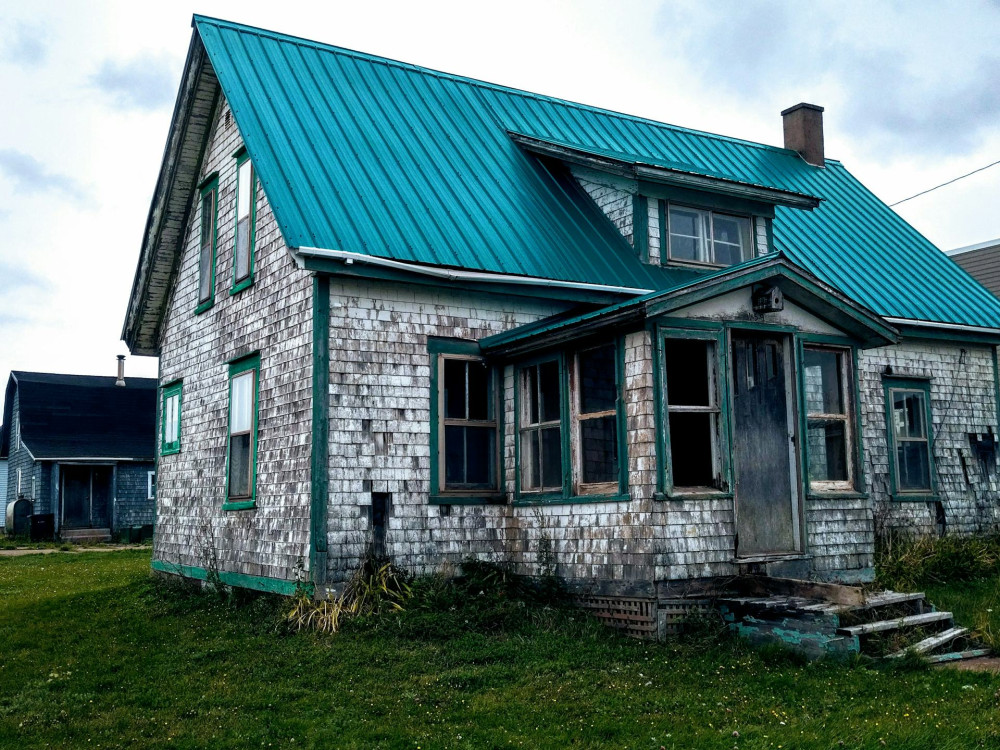
The first roofing felts appeared in the late 19th and early 20th centuries. They were made from simple paper or fabric sheets soaked in wood tar or coal tar to make them water-resistant. These early materials were inexpensive and easy to apply, making them popular for small rural buildings, sheds, and early bungalows.
However, tar had its drawbacks. It became brittle over time, especially under strong sunlight, and required frequent maintenance. In New Zealand’s coastal and high-UV environment, these roofs often cracked and leaked after only a few years. Still, this early technology laid the foundation for the modern waterproof membranes we use today.
The Shift to Bitumen – A Technological Leap
By the mid-20th century, tar was gradually replaced by bitumen, a by-product of the petroleum industry. Bitumen proved far more stable and flexible than tar, performing well in both hot and cold conditions. This was particularly important in New Zealand, where roofs must endure everything from frosty alpine mornings to intense summer heat.
At the same time, the base materials improved. Instead of paper, manufacturers began using glass fibre and later polyester reinforcement, which gave the felt greater strength and longevity. This combination of bitumen and modern reinforcement transformed roofing felt into a serious alternative to tiles and corrugated steel, even for larger commercial buildings.
Læs også:
Modern Roofing Felt – Flexibility and Design Freedom
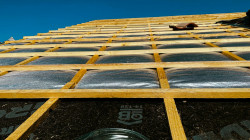
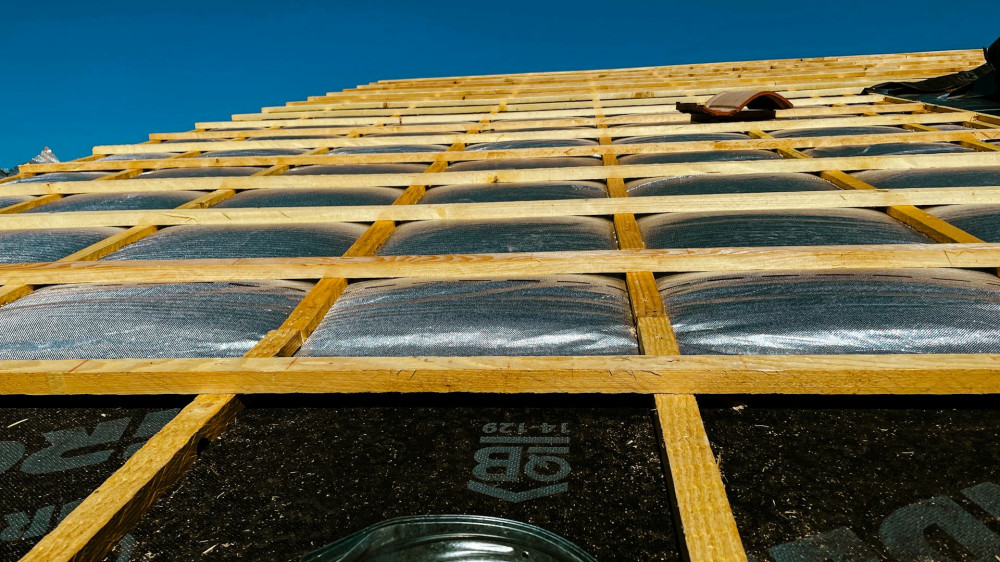
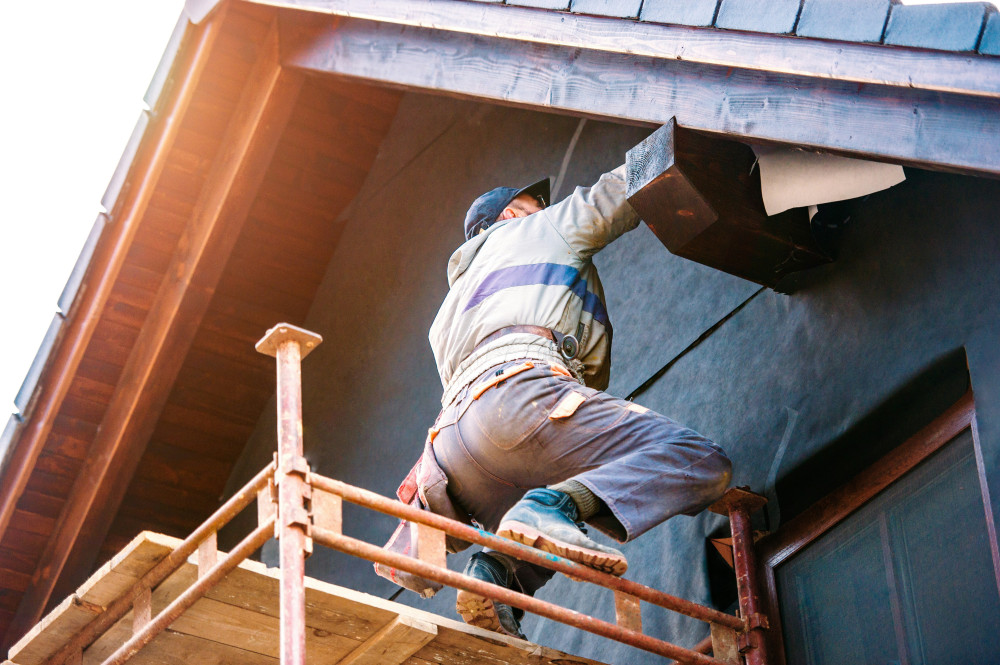
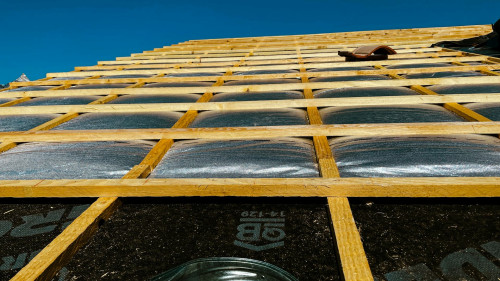
Today’s roofing felt is a high-performance product. Most systems use two layers – a base sheet and a cap sheet – which are either torch-applied or self-adhesive. The result is a seamless, watertight, and elastic surface that can last 30 years or more with proper care.
In New Zealand, roofing felt is no longer limited to flat roofs. Architects and builders increasingly use it on low-pitched and curved designs, where its flexibility allows for creative forms and clean lines. It’s also a popular choice for green roofs and rooftop decks, where waterproofing performance is critical.
Sustainability and the Environment
As in other areas of construction, sustainability has become a major focus in roofing felt production. Manufacturers now use recycled materials, energy-efficient production methods, and systems designed for circular reuse. Bitumen membranes can also be part of sustainable building solutions, especially when combined with insulation and solar installations.
Green roofs are another growing trend in New Zealand’s urban areas. Roofing felt provides the waterproof base for these living systems, which help manage stormwater, improve insulation, and support biodiversity – all valuable benefits in cities like Auckland and Wellington.
Maintenance and Longevity
A modern bitumen roof requires little maintenance, but regular inspection is still important. Leaves, moss, and debris should be cleared, and joints checked for cracks or lifting edges. With correct installation and periodic care, a roofing felt system can last for decades – often longer than expected.
From Humble Beginnings to a Modern Building Material
The story of roofing felt is one of continuous improvement. What began as a simple tarred paper has evolved into a sophisticated, multi-layered membrane capable of meeting the demands of modern architecture and New Zealand’s challenging climate. Combining tradition, innovation, and sustainability, roofing felt remains a reliable and versatile choice – and will continue to play a vital role in Kiwi construction for many years to come.
Læs også: