Extend Your Foundation’s Lifespan with Simple Maintenance Steps

Extend Your Foundation’s Lifespan with Simple Maintenance Steps
Your home’s foundation is its unseen hero – the structure that keeps everything stable, dry, and secure. Yet, it’s often overlooked until problems appear. In New Zealand, where weather conditions can range from heavy rain to coastal humidity and occasional frost, regular foundation maintenance is essential. With a few simple steps, you can protect your home from moisture damage, cracking, and costly repairs.
Understand Your Foundation and Its Common Challenges
The foundation supports your home and transfers its weight to the ground. It must resist moisture, soil movement, and temperature changes. Over time, these forces can cause cracks, dampness, or uneven settling.
Typical warning signs include:
- Hairline or widening cracks in concrete or brickwork
- Damp patches or mould near the base of walls
- Flaking paint or efflorescence (white, powdery deposits)
- Doors or windows that suddenly stick or don’t close properly
Catching these issues early makes repairs simpler and prevents structural damage.
Clean and Inspect Regularly
A thorough inspection once or twice a year can make a big difference. Start by clearing away soil, leaves, and debris that have built up against the foundation. Use a soft brush and mild detergent to remove dirt, moss, or algae. Avoid high-pressure washing, as it can drive water into cracks and weaken the surface.
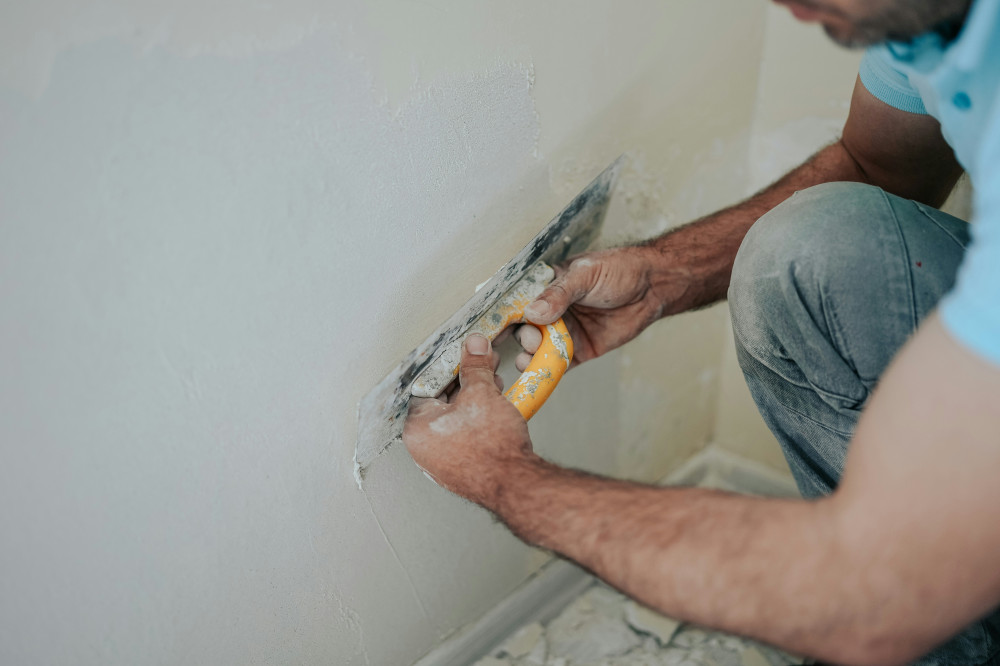
Once clean, check for cracks or crumbling areas. Small cracks can often be sealed with a suitable concrete repair compound. Larger or recurring cracks may indicate movement in the ground and should be assessed by a professional.
Manage Drainage Around Your Home
Good drainage is one of the most important factors in foundation health. In New Zealand’s wet climate, ensuring water flows away from your home is crucial. Check that the ground slopes gently away from the foundation so rainwater doesn’t pool near the walls. Keep gutters and downpipes clear of leaves, and make sure downpipes discharge water well away from the base of the house.
If you have paved areas or decks near your home, ensure they have a slight fall away from the foundation—about 20 mm per metre is usually enough. This prevents water from seeping into the soil and causing dampness or erosion.
Repair and Protect the Surface
Once the foundation is dry and clean, consider applying a breathable protective coating or sealant designed for exterior masonry. This helps keep rainwater out while allowing internal moisture to escape. Avoid non-breathable paints or coatings, as they can trap moisture and lead to deterioration.
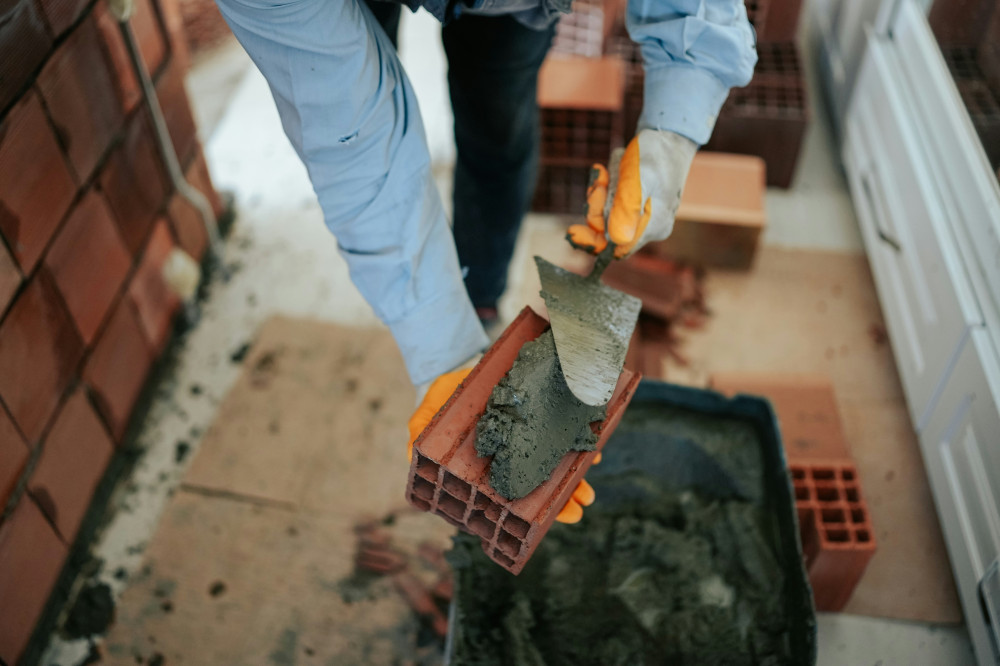
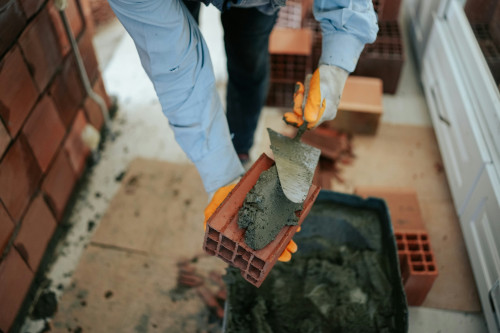
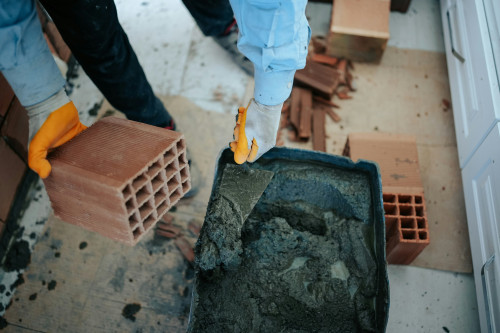
If your home has a visible plinth or base wall, choose repair materials that match the original construction. Older homes may benefit from lime-based mortars, while newer ones can use cement-based products.
Læs også:

Prevent Damage with Simple Habits
Small, consistent actions can extend your foundation’s lifespan:
- Keep garden beds, shrubs, and trees a short distance from the house to prevent root pressure and excess moisture.
- Avoid piling firewood, soil, or heavy objects directly against exterior walls.
- After heavy rain or an earthquake, check for new cracks or signs of movement.
- In colder regions, remove ice carefully and avoid using salt, which can damage concrete.
By making these checks part of your seasonal maintenance routine, you’ll reduce the risk of major repairs later.
A Strong Foundation Means a Healthy Home
Your foundation may not be the most visible part of your home, but it’s one of the most important. A well-maintained foundation protects against moisture, improves structural stability, and preserves your home’s value. With a little attention and a few simple maintenance steps, you can ensure your home stands strong for decades to come.
Læs også: