Facade renovation: What can you do yourself?

Give your home a fresh look while protecting it from the elements
Bricklayer
Bricklayer
2 min
Learn how to assess your home’s facade and discover which renovation tasks you can safely handle yourself. From cleaning and repainting to knowing when to call in the experts, this guide helps you keep your exterior in top shape.
Jackson Cheng
Jackson
Cheng

Facade renovation: What can you do yourself?

Give your home a fresh look while protecting it from the elements
Bricklayer
Bricklayer
2 min
Learn how to assess your home’s facade and discover which renovation tasks you can safely handle yourself. From cleaning and repainting to knowing when to call in the experts, this guide helps you keep your exterior in top shape.
Jackson Cheng
Jackson
Cheng

A well-kept facade doesn’t just make your home look good – it also protects the structure from New Zealand’s sun, wind, and rain. But when paint starts to peel, cracks appear, or mould begins to grow, the question arises: how much can you actually do yourself, and when should you call in a professional? Here’s an overview of what you can safely tackle on your own and where it’s best to get expert help.

Start with a careful inspection

Before you pick up a brush or trowel, take time to assess the condition of your facade. Walk around your home on a dry day and look for:

  • Cracks in plaster or brickwork
  • Peeling or faded paint
  • Dark or damp patches that may indicate moisture problems
  • Loose or crumbling mortar joints

Minor issues can often be fixed with simple tools and materials, but if you notice large cracks, bulging plaster, or signs of water getting behind the surface, it’s wise to contact a builder or facade specialist. These can be symptoms of deeper structural or moisture issues.

Cleaning the facade – a good place to start

A thorough clean can make a huge difference. Dust, salt spray, and algae are common in New Zealand’s coastal climate, and they can make your home look tired. In most cases, you can clean the surface with a soft brush, mild detergent, and water. Avoid using a high-pressure washer unless you know what you’re doing – too much pressure can damage brickwork or drive water into cracks.

For brick or concrete facades, you can use a specialised facade cleaner or an algae remover. Always rinse well afterwards to prevent chemical residues from damaging the surface.

Repointing mortar – a classic DIY task

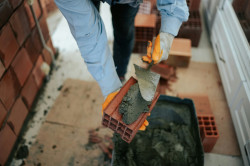
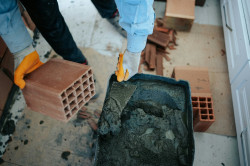
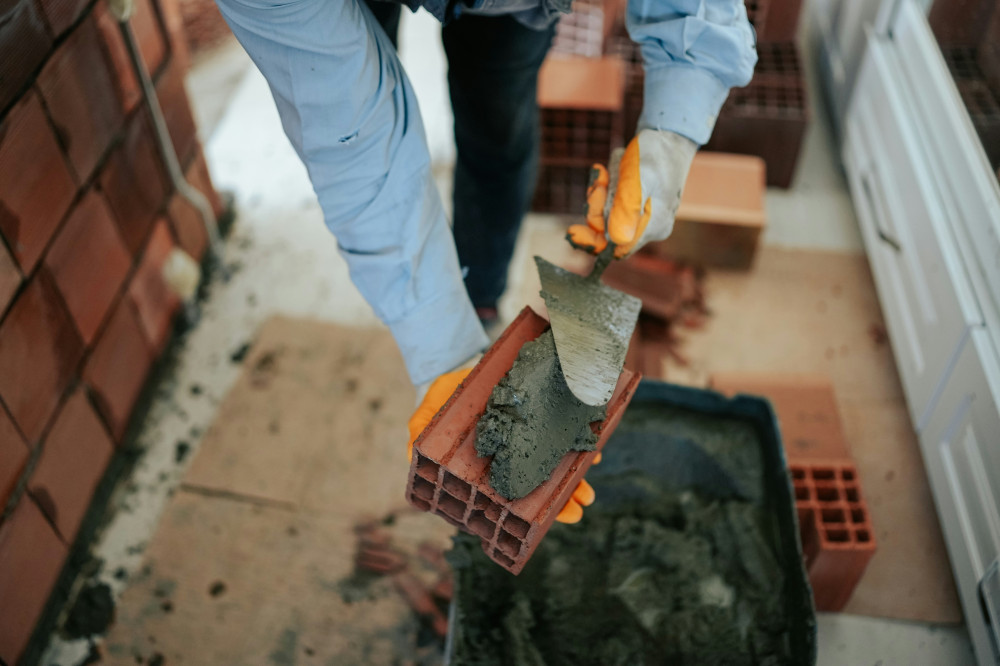
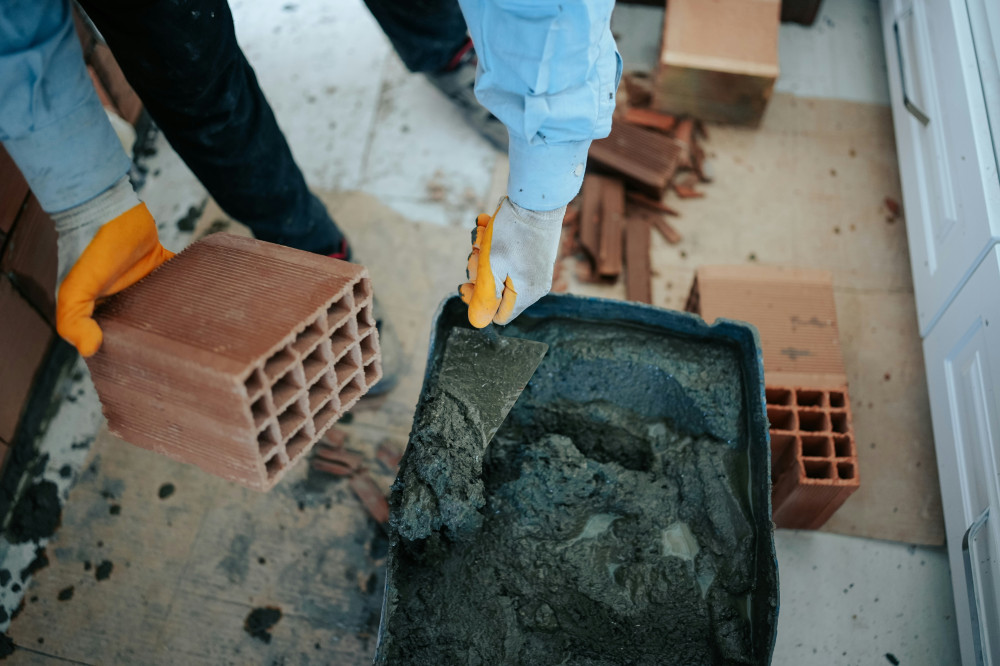
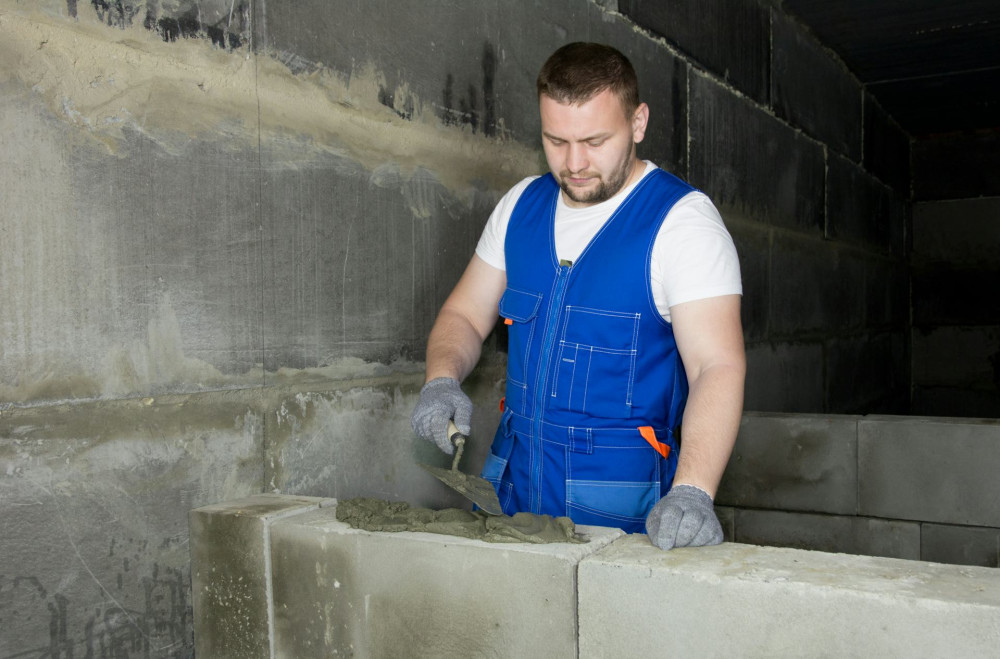
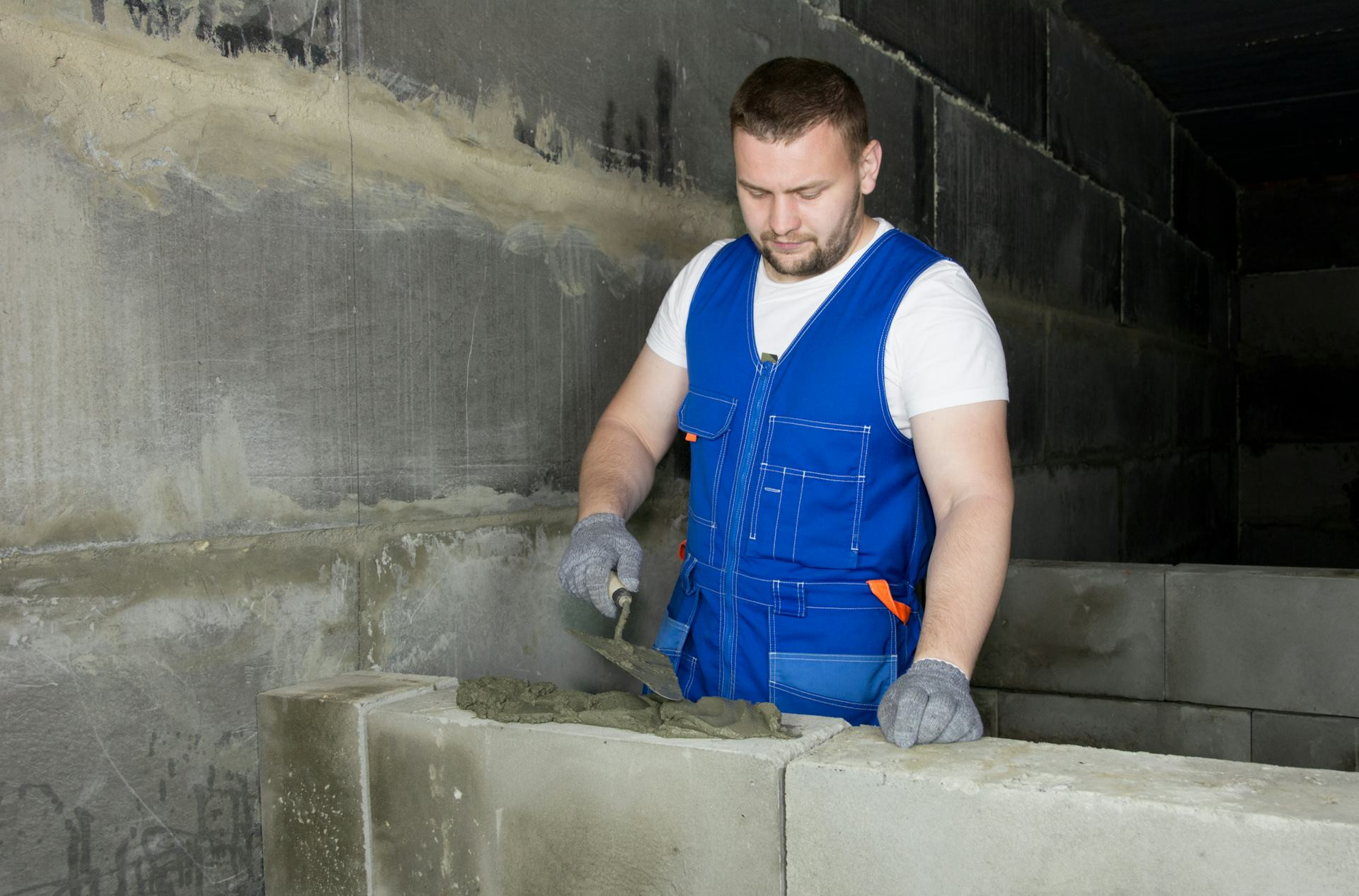
If the mortar between your bricks has started to crumble, you can often repair small areas yourself. It takes patience but not necessarily professional tools.

  1. Remove the loose mortar with a chisel or mortar rake.
  2. Brush away dust and lightly dampen the area.
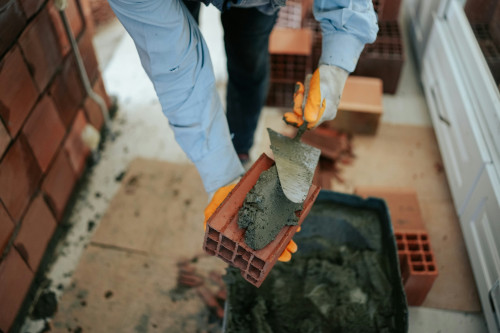
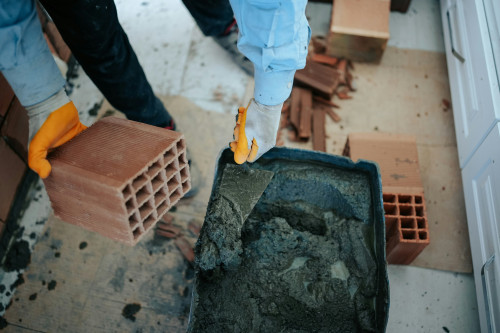
  3. Apply new mortar using a pointing trowel or mortar gun.
  4. Smooth the joints and let them cure slowly – ideally in mild, overcast weather.

Choose a mortar that suits your home’s age and materials. Older villas or bungalows may need a softer lime-based mortar, while newer homes can use cement-based mixes.

Repairing plaster and repainting

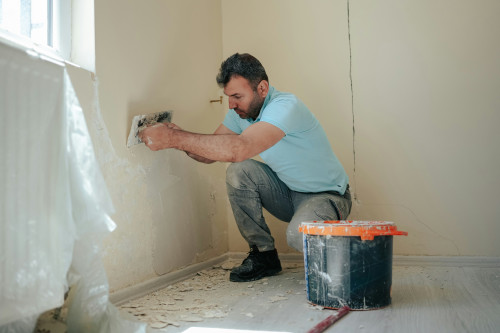
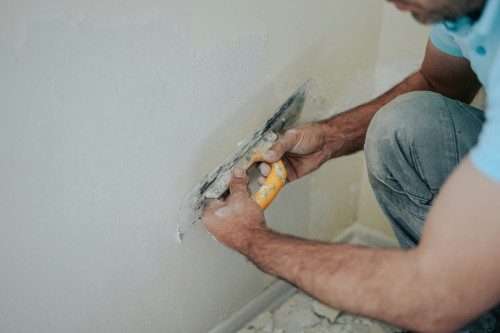
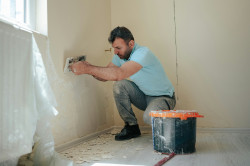
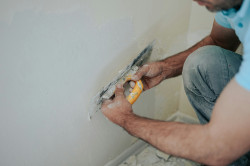
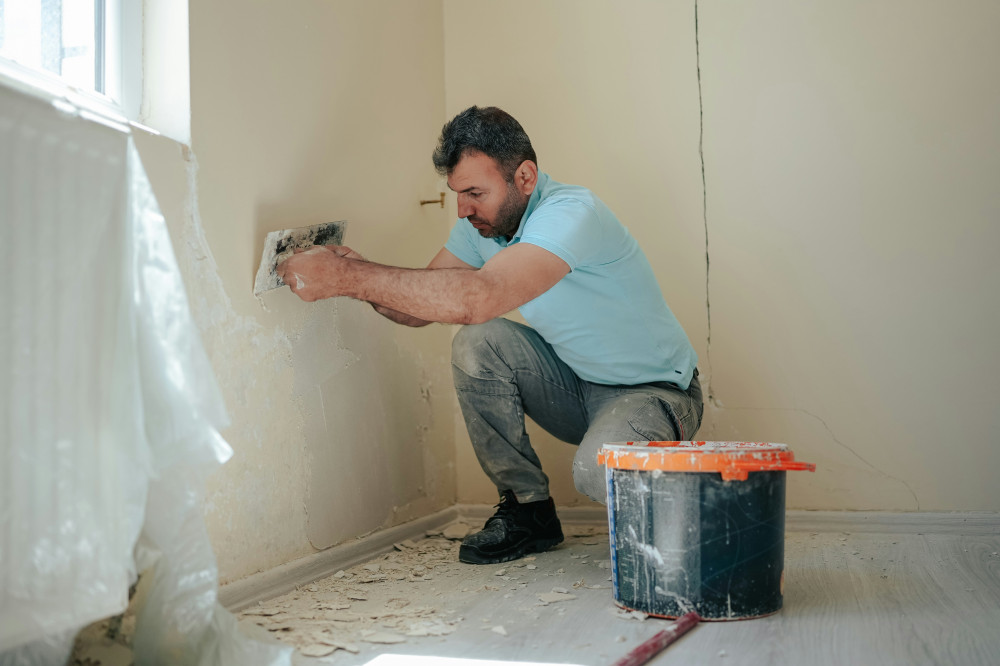
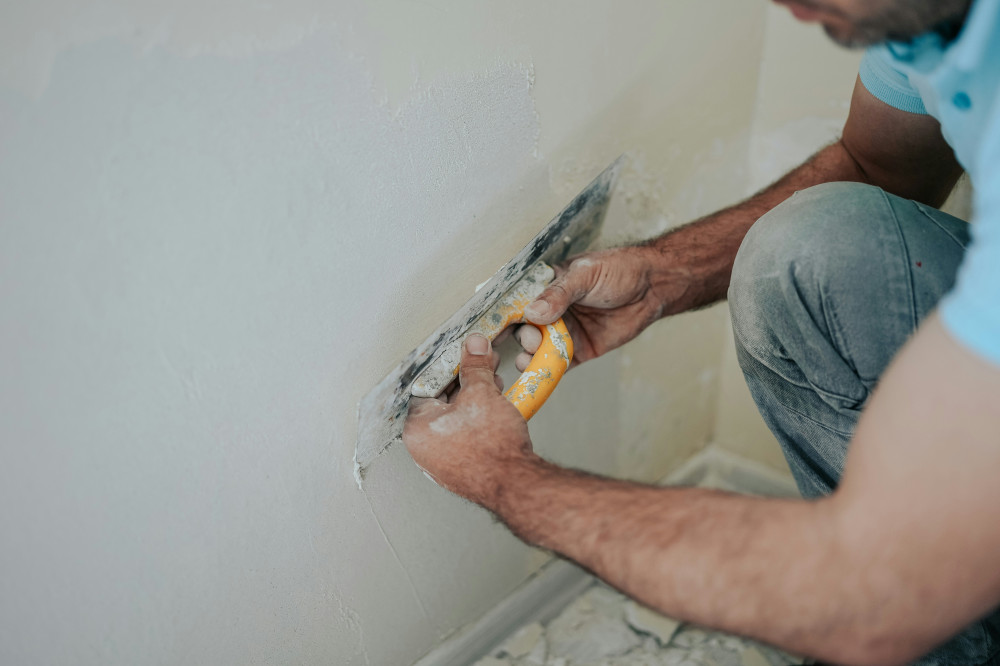
If you have a rendered or plastered facade, you can repair small patches yourself. Remove any loose or flaking plaster, clean the area, and apply new plaster that matches the existing texture. Once it’s dry, paint with a breathable exterior paint that allows moisture to escape – this is especially important in humid or coastal regions.

Never paint over damp or damaged plaster, as this can trap moisture and cause further deterioration. If large sections are loose or bulging, it’s best to have a professional assess the damage.

Insulation and major renovations – leave it to the experts

While many small jobs are manageable for a confident DIYer, larger projects such as external insulation, full facade recladding, or replacing damaged bricks or weatherboards should be handled by professionals. These tasks require experience, safety equipment, and knowledge of building codes. Poorly executed work can lead to leaks, structural damage, or loss of energy efficiency.

A qualified builder or facade specialist can also advise on materials and finishes that suit New Zealand’s varied climate zones – from the damp conditions of the West Coast to the dry heat of Central Otago.

Maintenance – the key to a healthy facade

Once your facade is in good shape, regular maintenance will keep it that way. Inspect your home at least once a year, especially after winter storms. Clean off algae and dirt before they take hold, and make sure gutters and downpipes are clear so rainwater drains away properly.

Small repairs done early can save you from costly renovations later – and help your home stay attractive and weatherproof for years to come.

DIY – but with care

Facade renovation doesn’t have to be overwhelming, but it does require respect for the materials and an understanding of how your home is built. Start with the simple tasks, and don’t hesitate to seek advice if you’re unsure. With the right approach, you can save money, learn new skills, and take pride in maintaining your home – without compromising on quality or durability.

When is a façade too damaged to be cleaned?
Know when cleaning helps—and when it harms your home’s exterior
Bricklayer
Bricklayer
Façade Maintenance
Home Improvement
Exterior Cleaning
Building Care
Property Preservation
3 min
A spotless façade can boost your home’s appearance, but cleaning a damaged surface can cause costly deterioration. Learn how to recognize when your façade is too fragile for cleaning, what warning signs to look for, and which alternatives can help protect and preserve your exterior.
Mitchell Bishop
Mitchell
Bishop
Create Patterns in Brickwork with Creative Brick Placement
Transform ordinary brick walls into eye-catching designs with creative patterns and placement
Bricklayer
Bricklayer
Brickwork
Architecture
Design
Building Materials
Home Improvement
5 min
Discover how thoughtful brick arrangement, colour choices, and texture can turn simple masonry into a unique architectural statement. Learn techniques that blend tradition with modern design to give your building a personal and distinctive look.
Teagan Wright
Teagan
Wright
Extend Your Foundation’s Lifespan with Simple Maintenance Steps
Keep your home strong and stable with easy foundation care
Bricklayer
Bricklayer
Home Maintenance
Foundation Care
Property Protection
DIY Tips
New Zealand Homes
2 min
Your home’s foundation deserves attention before problems arise. Learn how simple maintenance routines can prevent moisture damage, cracks, and costly repairs—helping your house stay safe and sound for years to come.
Isabella Bennett
Isabella
Bennett
The Importance of Cavity Walls for Sound Insulation
Discover how cavity walls can make your home quieter and more comfortable
Bricklayer
Bricklayer
Sound Insulation
Cavity Walls
Home Comfort
Building Design
Construction
4 min
Noise pollution can easily disturb the peace of your home. Learn how the design and insulation of cavity walls play a crucial role in blocking unwanted sounds, improving comfort, and enhancing building performance—especially in modern masonry construction.
Jacob Farrell
Jacob
Farrell
Facade renovation: What can you do yourself?
Give your home a fresh look while protecting it from the elements
Bricklayer
Bricklayer
Facade Renovation
Home Improvement
DIY
Exterior Maintenance
House Care
2 min
Learn how to assess your home’s facade and discover which renovation tasks you can safely handle yourself. From cleaning and repainting to knowing when to call in the experts, this guide helps you keep your exterior in top shape.
Jackson Cheng
Jackson
Cheng
Find the paring knife that best suits your kitchen tasks
Make cooking easier with the right paring knife in hand
Furniture
Furniture
Paring knife
Kitchen equipment
Cooking
Knives
Practical tips
7 min
A good paring knife makes cooking easier and more precise. Read about materials, types and features so you can find the paring knife that best suits your needs and your kitchen.
Mitchell Bishop
Mitchell
Bishop
Make cooking easier with the right chopping board
A good chopping board makes cooking both easier and more hygienic
Furniture
Furniture
Chopping board
Kitchen equipment
Cooking
Hygiene
Practical advice
3 min
A good chopping board makes cooking easier and more hygienic. Read about materials, features and maintenance, and get inspiration to choose the chopping board that best suits your kitchen and your needs.
Teagan Wright
Teagan
Wright
Inspiration for choosing an alarm clock – functions, design and types
Wake up in the way that suits you and your everyday life best
Furniture
Furniture
Alarm clock
Home decor
Sleep
Electronics
Morning routine
7 min
Find the alarm clock that fits your lifestyle. The article guides you through functions, design and types – from classic analogue models to modern smart watches with light and sound that make waking up more pleasant.
Isabella Bennett
Isabella
Bennett