Drainage and Water Balance – How to Avoid Damaging Your Garden

Drainage and Water Balance – How to Avoid Damaging Your Garden
A well‑designed drainage system can make the difference between a thriving garden and a soggy patch of lawn. But drainage isn’t just about getting rid of water – it’s equally about keeping the right amount of moisture in the soil. Too much water can suffocate roots, while too little can dry them out and harm the garden’s ecosystem. Here’s a guide for New Zealand gardeners on how to understand, maintain, and improve drainage without upsetting the natural balance of your outdoor space.
Why Drainage Matters in New Zealand
Across New Zealand, rainfall patterns vary widely – from the wet West Coast to the drier eastern regions. Many gardens sit on clay or compacted soils that don’t drain easily, and heavy downpours can quickly lead to puddles or waterlogged lawns. Poor drainage can cause:
- Root damage – plants struggle to breathe when soil stays saturated.
- Moss and fungal growth – damp conditions encourage moss and rot.
- Soil compaction – repeated wetting and drying can harden the soil, reducing aeration.
- Damage to structures – excess water can seep into foundations or retaining walls.
Good drainage helps move excess water away from problem areas – but it should be done carefully to avoid drying out the soil or diverting water where it can cause erosion.
Finding the Right Water Balance
Over‑draining is a common mistake. When soil becomes too dry, beneficial microorganisms die off, and plants lose access to the steady moisture they need. The goal is balance: soil that can absorb rain but also release it gradually.
A few key principles:
- Don’t rush to install drains if your garden only floods briefly after heavy rain – that can be part of the natural cycle.
- Consider your soil type: sandy soils drain quickly, while clay soils hold water longer.
- Combine drainage with water‑retaining features such as rain gardens or soak pits, so water stays in your garden ecosystem rather than running off into the street.
How to Check if Your Garden Needs Better Drainage
Before you start digging, test whether drainage is really a problem:
- Dig a hole about 50 cm deep and fill it with water. If it’s still full after 24 hours, your soil drains poorly.
- Observe after rain – if puddles remain for more than two days, you may need to improve drainage.
- Inspect nearby structures – damp walls or mildew near the base of your house can indicate poor runoff management.
If you’re unsure, it’s worth consulting a landscaper or drainage specialist. A poorly designed system can make things worse by drying out the soil or shifting water toward neighbouring properties.
Types of Drainage Systems
Different soils and landscapes call for different solutions:
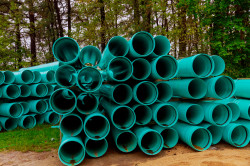
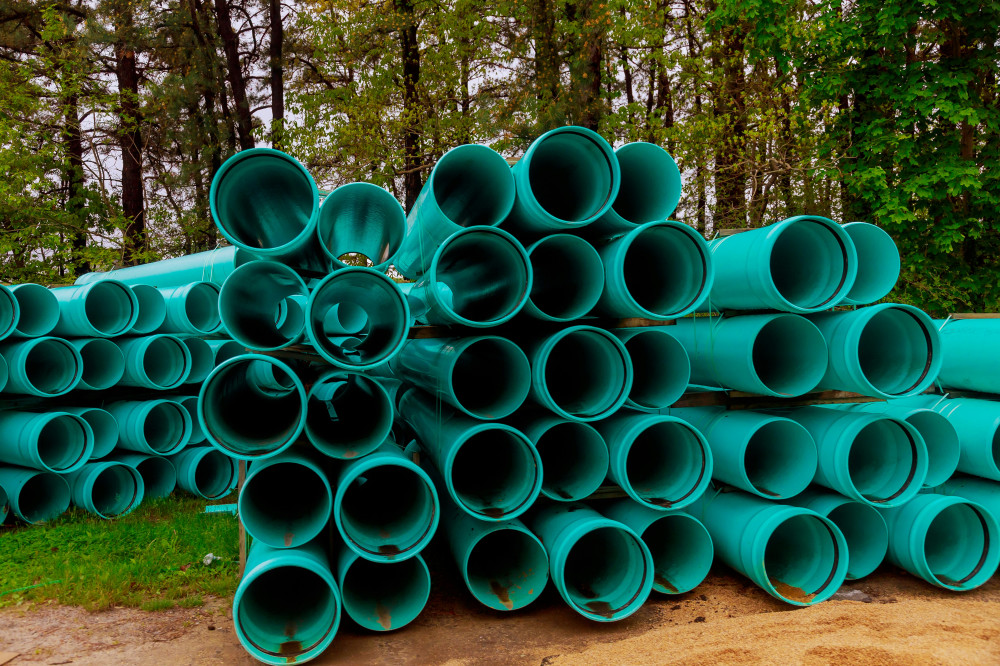
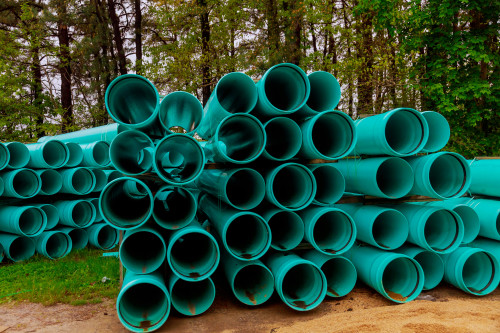
- Subsurface pipe drains – perforated pipes buried underground that carry water to a soak pit or stormwater outlet.
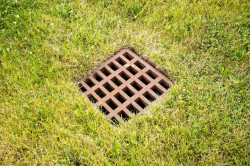
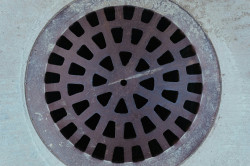
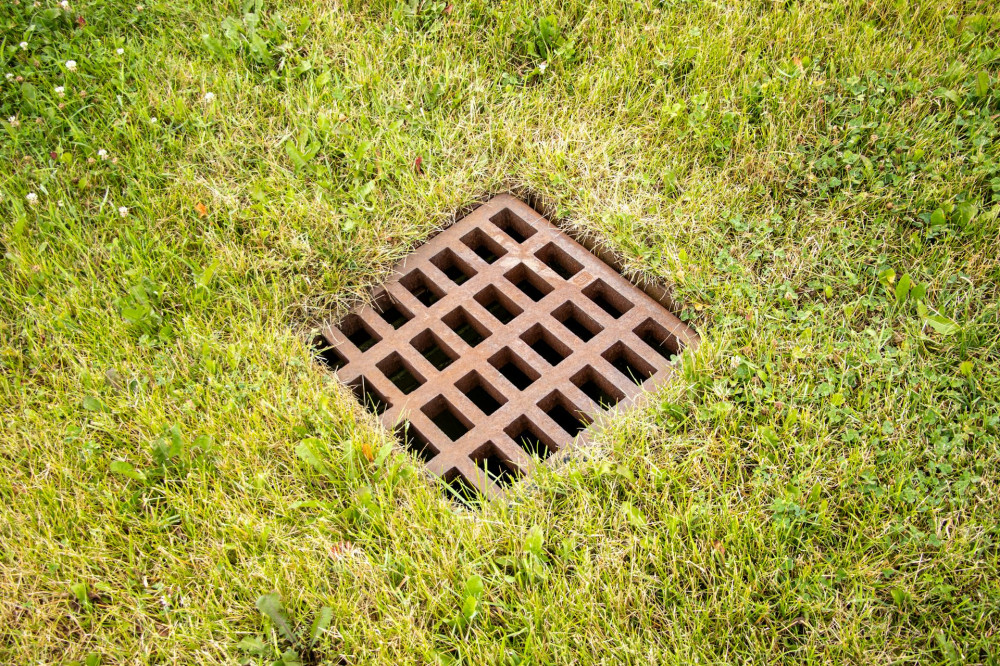
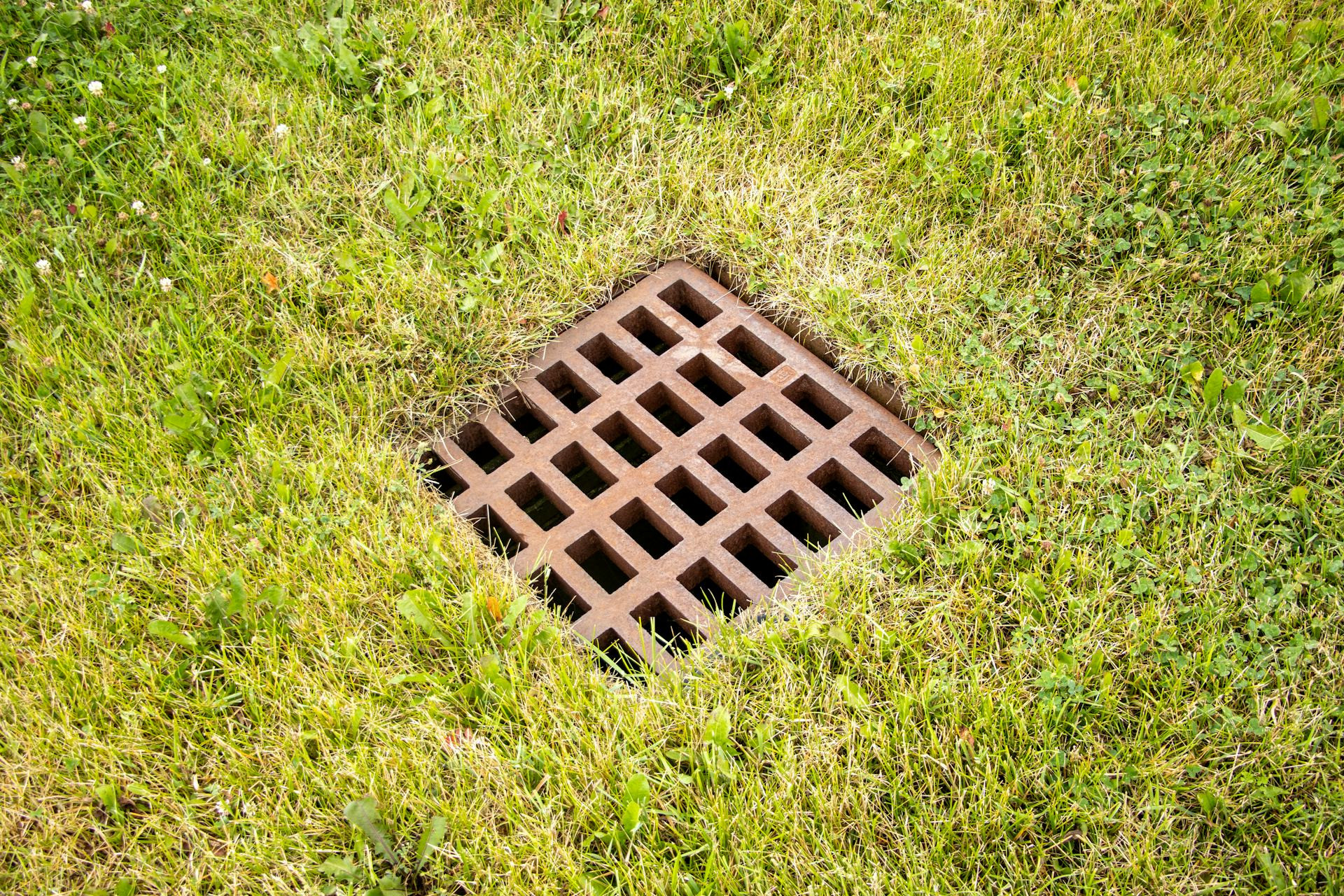
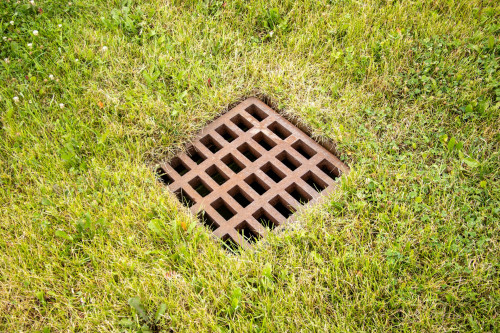
- Surface drains – shallow channels or grates that collect runoff from driveways and patios.
- Rain gardens – planted depressions that capture roof or driveway runoff and let it soak slowly into the ground.
- Soak pits or infiltration trenches – underground chambers that store rainwater and release it gradually into the soil.
Rain gardens and soak pits are especially useful in New Zealand’s urban areas, where councils encourage on‑site stormwater management to reduce pressure on public systems.
Maintaining Your Drainage System
Even the best system needs upkeep. Leaves, silt, and roots can block pipes or grates over time.
- Clear drains and sumps at least once a year, especially before winter.
- Check that outlets are free‑flowing after heavy rain.
- Avoid planting large trees with invasive roots near drain lines.
- If water stops flowing or backs up, have the pipes inspected or flushed by a professional.
Environmental and Legal Considerations
Altering how water moves through your property can affect neighbours and local waterways. In many New Zealand councils, you’ll need approval before connecting to stormwater systems or altering natural drainage paths.
Think sustainably: rainwater is a valuable resource. By combining drainage with eco‑friendly features such as permeable paving, rainwater tanks, and native planting, you can create a garden that’s both resilient and environmentally responsible.
Læs også:
A Healthy Garden Starts Below the Surface
Good drainage isn’t just about avoiding puddles – it’s about creating the right conditions for life in the soil. When moisture levels are balanced, plants, insects, and microorganisms all thrive, making your garden more resilient to both drought and downpours.
Before you pick up the spade, take a moment to plan: where does the water come from, where should it go, and how can you make it work for your garden? The best solution is rarely to remove all the water – it’s to help your garden live in harmony with it.
Læs også: