Sewer Renovation in Older Homes: Important Factors to Be Aware Of

Sewer Renovation in Older Homes: Important Factors to Be Aware Of
Many New Zealand homes built before the 1970s still rely on original sewer systems made from clay, concrete, or cast iron pipes. Over time, these materials can crack, shift, or corrode, leading to leaks, blockages, and even contamination of soil or groundwater. For homeowners with older properties, sewer renovation is an important step in maintaining both the health of the home and compliance with local regulations.
Here’s what you should know if you’re considering sewer renovation in an older home.
Signs That Your Sewer System Needs Renovation
Sewer issues often develop slowly and may go unnoticed until significant damage has occurred. Keep an eye out for these common warning signs:
- Unpleasant odours from drains or around the property may indicate leaking or broken pipes.
- Slow-draining sinks, toilets, or showers can signal blockages or collapsed sections of pipe.
- Damp patches or discolouration on walls or floors, especially in basements or under the house, may point to leaking wastewater.
- Rodent activity around the property can be a sign of cracks or openings in the sewer line.
If you notice one or more of these symptoms, it’s wise to arrange a CCTV drain inspection by a licensed drainlayer or plumber. This will provide a clear picture of the pipe condition and help determine whether repair or full replacement is needed.
Inspection and Planning
A successful sewer renovation begins with a thorough assessment. The contractor will inspect the pipes, manholes, and connections to identify the extent of deterioration and the best repair method.
Before starting work, request a condition report and a renovation plan. These documents outline which sections need replacement and which can be repaired.
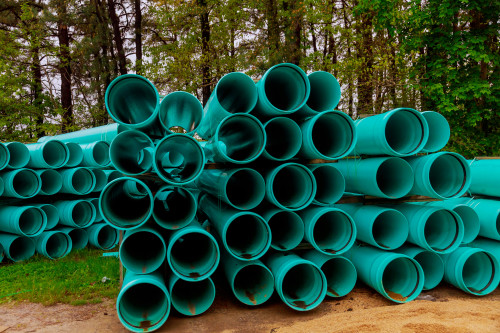
In many cases, pipe relining (also known as cured-in-place pipe lining) can be used. This method involves inserting a new lining inside the old pipe, creating a seamless, watertight layer without major excavation. It’s less disruptive and often more cost-effective. However, if the pipes are severely damaged or misaligned, full replacement may be necessary.
Læs også:
Regulations and Responsibilities
In New Zealand, homeowners are responsible for the private sewer line from the house to the property boundary. The local council or water authority maintains the public network beyond that point.
All sewer work must be carried out by a licensed drainlayer, and in most cases, you’ll need to apply for a building consent through your local council. The work must comply with the New Zealand Building Code and relevant standards such as NZS 4404 for land development and infrastructure.
If your area has a separated stormwater and wastewater system, you may be required to upgrade your property’s drainage to match. This means installing separate pipes for stormwater and sewage to prevent overflows and protect the environment.
Costs and Financial Considerations
The cost of sewer renovation varies depending on the extent of the work, accessibility, and materials used. For a typical residential property, prices can range from NZD 5,000 to NZD 25,000 or more.
While this may seem like a significant investment, a sound sewer system protects your home from water damage, prevents health hazards, and can increase property value.
Some councils offer low-interest loans or assistance programmes for essential infrastructure upgrades, particularly where compliance with new drainage requirements is involved. It’s also worth checking with your home insurance provider to see if any part of the work is covered, especially if the damage was caused by a sudden event.
Maintenance and Prevention
Once your sewer system has been renovated, regular maintenance will help extend its lifespan and prevent future issues:
- Schedule a professional inspection and cleaning every 5–10 years.
- Avoid pouring fats, oils, or harsh chemicals down the drain.
- Ensure inspection points and manholes are sealed and accessible.
- Consider installing a rat barrier or backflow prevention device at the boundary connection.
Simple maintenance habits can save you from costly repairs later and keep your system running efficiently.
A Long-Term Investment in Your Home’s Health
Your sewer system may be out of sight, but it plays a crucial role in keeping your home safe, dry, and healthy. Neglecting ageing pipes can lead to serious structural and environmental problems.
By addressing issues early, seeking professional advice, and choosing the right renovation method, you can ensure that your older home remains comfortable, compliant, and valuable for many years to come.
Læs også: