Establish a Routine for Regular Sewer Inspections

Establish a Routine for Regular Sewer Inspections
The sewer system beneath your home is one of those things you rarely think about—until something goes wrong. A blocked or damaged sewer line can quickly lead to unpleasant odours, dampness, or even flooding. Establishing a routine for regular sewer inspections can help you prevent costly repairs and keep your drainage system working efficiently. With a few simple habits and scheduled checks, you can protect both your property and the environment.
Why Regular Inspections Matter
Your home’s sewer system plays a vital role in maintaining hygiene and comfort. Over time, tree roots, grease, and debris can build up in the pipes, causing blockages or leaks. In New Zealand, where many homes are surrounded by lush vegetation and older clay or concrete pipes are still common, these issues can develop gradually without obvious warning signs.
Regular inspections help you detect small problems before they become major ones. Preventive maintenance is not only more affordable but also reduces the risk of contamination and environmental harm.
Create a Maintenance Plan
A good routine starts with a clear plan. You don’t need to check your sewer every month, but an annual or biennial inspection is a sensible rule of thumb—especially if your property is older or located near large trees.
- Spring and autumn are ideal times for inspections. After heavy winter rains, pipes may have shifted or cracked, and in autumn, falling leaves and roots can cause blockages.
- Set reminders in your calendar so inspections become a regular habit.
- Keep a record of each inspection, noting any issues or repairs. This helps track changes over time and provides useful information for future maintenance or when selling your home.
Læs også:
Signs Your Sewer May Need Attention
Even with a routine in place, it’s important to act quickly if you notice changes in your plumbing or drainage. Common warning signs include:
- Slow-draining sinks, showers, or toilets.
- Gurgling sounds from drains.
- Unpleasant odours around the house or garden.
- Damp patches or pooling water near inspection points.
- Increased rodent activity around your property.
These symptoms don’t always mean there’s a serious problem, but they should prompt a closer look before the situation worsens.
Simple Checks You Can Do Yourself
You can carry out basic visual inspections of accessible parts of your drainage system:
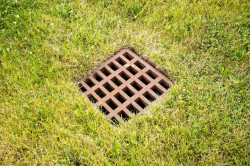
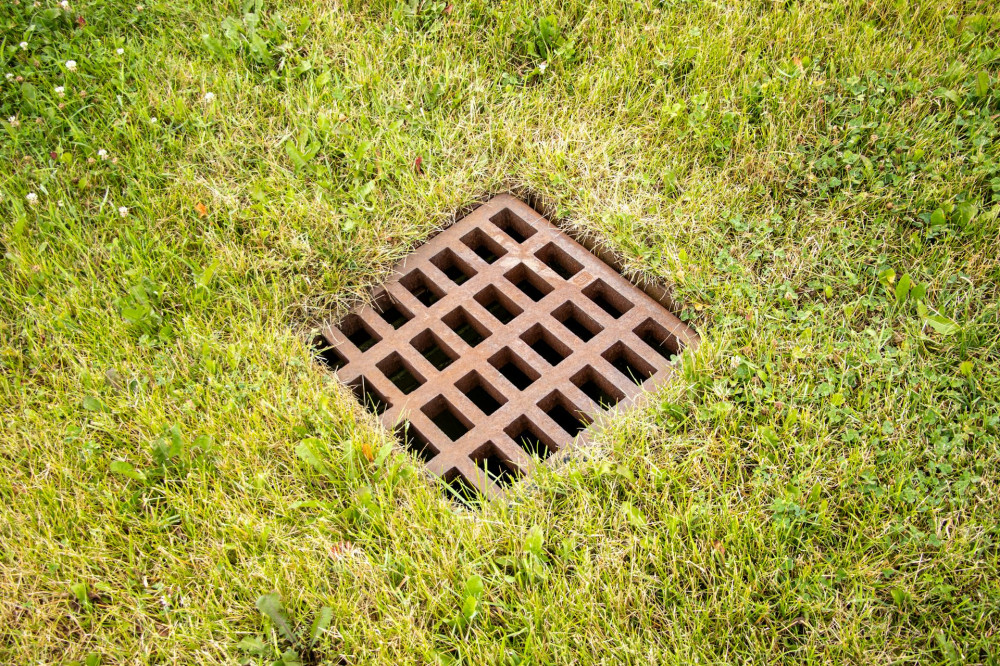
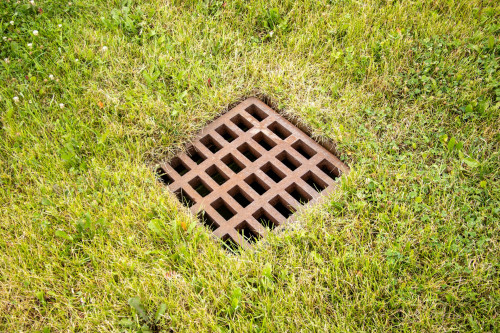
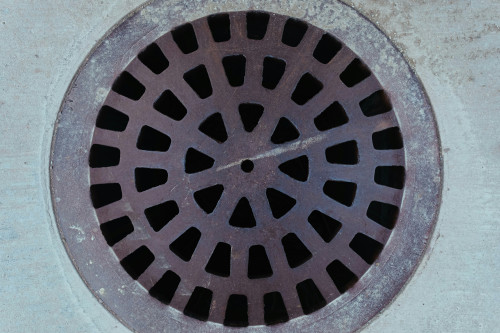
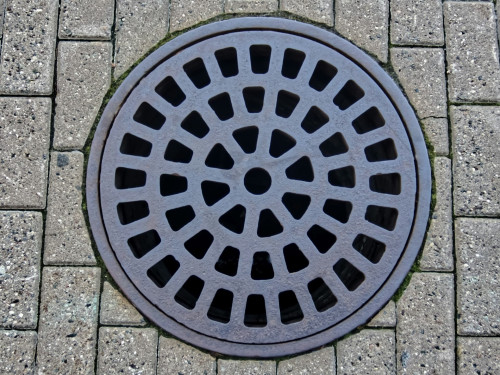
- Check inspection points and gully traps – lift the cover and look for standing water or debris.
- Clear stormwater drains – remove leaves and dirt to ensure rainwater flows freely, especially before the wet season.
- Avoid pouring fats, oils, or food scraps down the sink – they solidify and cause blockages.
- Use drain strainers to catch hair and small objects.
If you notice anything unusual, it’s best to call a licensed drainlayer or plumber for a professional assessment.
Get Professional Help Periodically
While you can handle basic maintenance, a professional inspection every few years is highly recommended. A qualified drainlayer can:
- Perform a CCTV inspection to identify cracks, root intrusion, or misaligned pipes.
- Hydro-jet clean the sewer lines to remove built-up grease and sediment.
- Assess the condition of your system and advise on repairs or upgrades before major damage occurs.
Although professional services come at a cost, they can save you thousands in future repairs and help ensure compliance with local council regulations.
Make Sewer Maintenance Part of Your Home Routine
Just as you service your heat pump, clean your gutters, and check your roof, your sewer system deserves regular attention. It doesn’t require much time—just consistency. Once you establish a routine, it becomes a natural part of caring for your home.
By taking responsibility for your sewer maintenance, you not only ensure a reliable drainage system but also protect your property, your health, and New Zealand’s precious environment.
Læs også: